
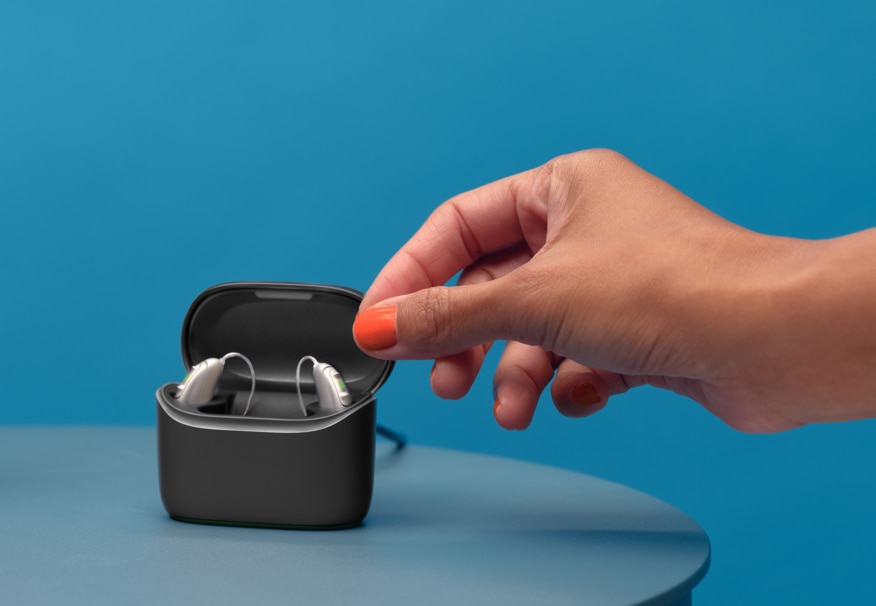
Hearing aid use and maintenance
Access expert guidance and resources for maintaining and caring for your hearing aids. Find tips, troubleshooting steps, and how-to videos to keep your devices in optimal condition and ensure their longevity.
Frequently asked questions
Taking good care of your hearing aids can help extend their life and ensure they continue to perform well. Here are some useful tips.
Cleaning
- Clean your hearing aids every day. Use a soft cloth, tissue or special hearing aid brush to wipe the outside. Never use alcohol or cleansers. They harm the internal components and circuitry.
- Use a dehumidifier kit regularly to prevent moisture from entering the hearing aids and damaging the components. You may be able to purchase one from your hearing healthcare professional.
- Use a wax loop or brush to remove ear wax and other debris. Never use a straight pin or other sharp object to clean wax from your hearing aids.
- Replace behind-the-ear earmolds when they become dry, cracked, stiff or discolored.
Storing
- Store hearing aids in a cool, dry place.
- Open the battery doors when they’re not in use.
- Protect your hearing aids from excessive heat (hair dryer, vehicle glove compartment or dashboard).
Care
- Do not get hearing aids wet. Remove hearing aids when swimming, showering, perspiring, etc.
- Apply hair care products before putting on your hearing aids.
- Take your hearing aids to your hearing healthcare professional for regular servicing and performance checks.
- Avoid dropping or banging your hearing aids on hard surfaces.
Batteries
- Store batteries in a dry, safe location away from children and pets.
- Replace dead batteries immediately.
- Always recycle or discard batteries carefully.
Taking good care of your hearing aids can help extend their life and ensure they continue to perform well. Here are some useful tips.
Cleaning
- Clean your hearing aids every day. Use a soft cloth, tissue or special hearing aid brush to wipe the outside. Never use alcohol or cleansers. They harm the internal components and circuitry.
- Use a dehumidifier kit regularly to prevent moisture from entering the hearing aids and damaging the components. You may be able to purchase one from your hearing healthcare professional.
- Use a wax loop or brush to remove ear wax and other debris. Never use a straight pin or other sharp object to clean wax from your hearing aids.
- Replace behind-the-ear earmolds when they become dry, cracked, stiff or discolored.
Storing
- Store hearing aids in a cool, dry place.
- Open the battery doors when they’re not in use.
- Protect your hearing aids from excessive heat (hair dryer, vehicle glove compartment or dashboard).
Care
- Do not get hearing aids wet. Remove hearing aids when swimming, showering, perspiring, etc.
- Apply hair care products before putting on your hearing aids.
- Take your hearing aids to your hearing healthcare professional for regular servicing and performance checks.
- Avoid dropping or banging your hearing aids on hard surfaces.
Rechargeable hearing aids care and maintenance
Follow these best practices to ensure the best and longest performance from rechargeable hearing aids every day, all day.
Best practices
- When not in use, keep the hearing aids in the charging base. They cannot overcharge.
- Plug the USB adapter into the power cord, then plug the power cord into a power outlet. Avoid using a laptop, or computer to power your charging base. The charging base lights will flash green once to confirm it is powered.
- Place hearing aids in the charging slots every night. The ear pieces should be on the same side of the charger as the power cable.
- When hearing aids have been properly inserted, both lights will flash green 5 times to confirm they are charging properly. A solid green light means that the hearing aids are fully charged.
- Clean hearing aid charge pads and charging base slots using the cleaning brush provided and a clean, dry tissue. Do not use any liquids for cleaning.
- Do not place hearing aids in the charger if the charger is unplugged. This will drain the battery.
- If a low battery warning is heard, place the hearing aids in the charging base or temporarily replace the rechargeable batteries with traditional batteries.

How to videos
Need visual instructions? Unitron's comprehensive library of step-by-step video guides was designed to help you navigate your hearing aids. Whether you need assistance with setup, troubleshooting, or maximizing features, our instructional videos provide clear and concise demonstrations to empower you.